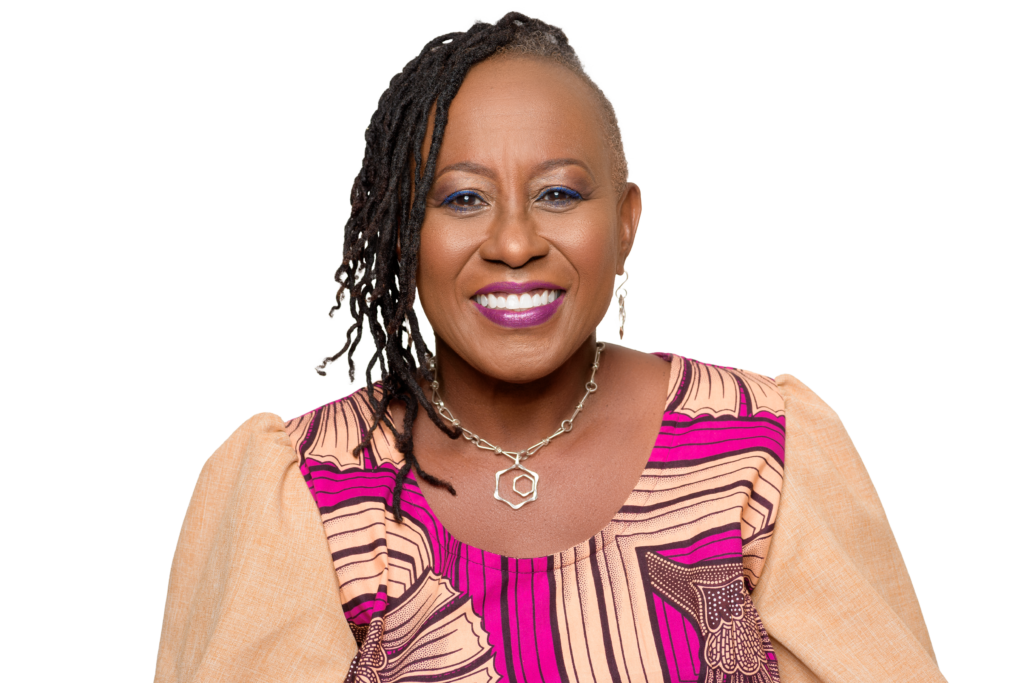
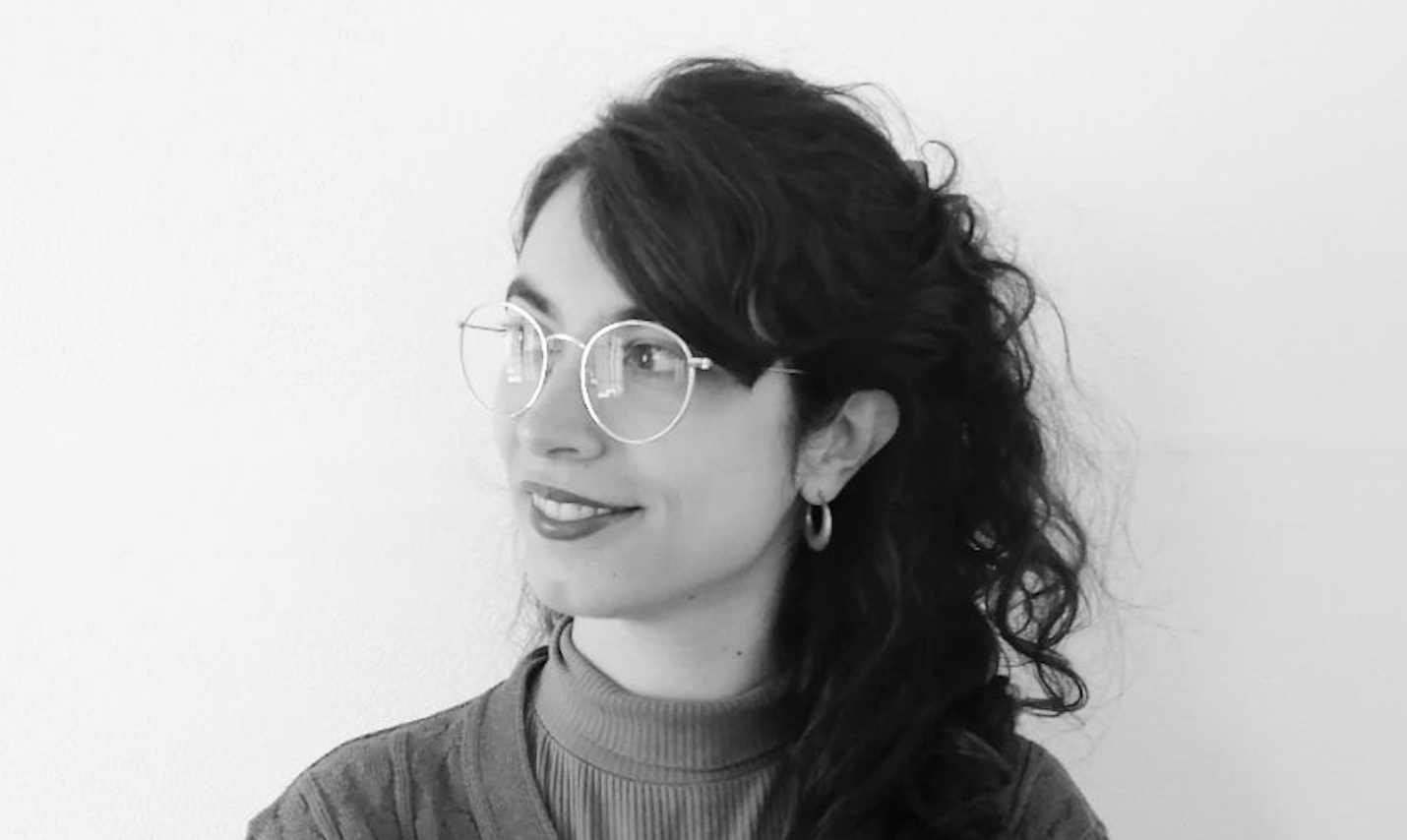
È un onore per noi redattori di Pro.Vocazione ospitare un contributo inedito di Opal Palmer Adisa in cui l'autrice racconta il suo viaggio poetico. Lo riportiamo qui in traduzione italiana (a cura di Davide Ricchiuti) e, più sotto, in versione originale, dove è possibile leggere anche la biografia di Adisa. Il libro di cui l'autrice parla nel saggio è La lingua è un tamburo edito da Multimedia Edizioni, 2025.
It is an honour for us to publish an original contribution by Opal Palmer Adisa, in which the author reflects on her poetic journey. We present it here in Italian translation (by Davide Ricchiuti), followed below by the original version, which also includes Adisa’s biography. The book the author refers to in the essay is La lingua è un tamburo, published by Multimedia Edizioni in 2025.
LA MIA LINGUA È UN TAMBURO
IL MIO VIAGGIO POETICO
È appropriato che il titolo di questa raccolta italiana sia La lingua è un tamburo, perché la mia lingua è davvero un tamburo. Proprio come dice la poesia, la lingua è un’antica forma di comunicazione, così come il tamburo è stato il primo vero telefono cellulare, di molto antecedente alla tecnologia moderna: permetteva, infatti, alle persone di parlare attraverso le distanze, di inviare messaggi che venivano compresi a livello profondo. Il tamburo rimane ancora oggi uno strumento essenziale in molte tradizioni africane, in particolare nella cosmologia religiosa dell’Africa occidentale, dove nessuna cerimonia sacra può avere inizio senza il suo ritmo.
Il mio lavoro mi connette, in quanto donna giamaicana di origine africana, alla più vasta diaspora africana: alle popolazioni del Nord America, del Sud America e del continente africano. La mia poesia parla delle questioni che noi neri ci troviamo ad affrontare come discendenti dei colonizzati, come persone alle quali sono stati sottratti il lavoro, la lingua, il nome, soprattutto noi della diaspora. Per me questa poesia è un importante refrain, un inno alla resilienza e la scelta perfetta per questa raccolta. Sono profondamente grata a Casa della Poesia per aver dato valore al mio lavoro, e in particolare a Raffaella Marzano per la traduzione.
Le poesie di questo libro offrono uno sguardo intimo su di me come poetessa, riflettono i temi e le inquietudini che hanno plasmato il mio percorso di scrittura. Percorro questa strada da molto tempo e il mio obiettivo non è mai stato soltanto quello di condividere le mie esperienze personali. Scrivo piuttosto per creare consapevolezza, per amplificare le voci della mia gente: per coloro che lottano, per coloro che sono stati messi a tacere, per chi è stato fatto sentire indegno, per chi ha interiorizzato la menzogna coloniale secondo cui vale meno degli altri.
Cresciuta con una madre attivista e in una piantagione di canna da zucchero, ho assistito in prima persona alle profonde disparità tra dirigenti e sorveglianti bianchi europei e i lavoratori neri che faticavano sotto i loro ordini, spesso poveri, spesso con un’istruzione limitata. In quanto donna istruita e appartenente alla classe media, riconosco il mio privilegio e uso la mia voce per mettere in luce le condizioni socioeconomiche del mio popolo, per parlare a nome di coloro che non si sentono ascoltati.
Il mio viaggio è circolare, in continua evoluzione, e interroga incessantemente le norme che ci sono state imposte. So che la percezione che il mondo ha dell'Africa come povera e sottosviluppata è il risultato diretto dello sfruttamento e del saccheggio delle risorse del continente. In questa perdita non è stata derubata soltanto l’Africa, della sua ricchezza e della sua saggezza: è stata derubata anche l’Europa. Nonostante l’illusione del progresso che appare sulla carta, l’Europa rimane sottosviluppata nella sua umanità e continua ad aggrapparsi a una politica divisiva e oppressiva.
La lingua è un tamburo è il mio appello all’azione, il mio grido rivoluzionario. È la lingua che rifiuta di essere messa a tacere. Non potete ridurmi al silenzio. Anche se mi tagliaste la lingua, come accadde ad alcuni dei miei antenati che osarono parlare, che osarono fuggire, troverei comunque un modo per comunicare. Parlerei attraverso le lingue, i gesti, i sentimenti, le vibrazioni. Continuerei a essere un tamburo.
Come poetessa e romanziera, il mio lavoro riflette la mia eredità e la mia identità caraibica, in particolare giamaicana. La mia scrittura serve a portare alla luce le verità, a prendermi cura delle ferite, a guarire. Serve a celebrare la nostra forza, a riconoscere le montagne e le valli che abbiamo attraversato per riuscire a stare saldamente in piedi sulle nostre gambe.
Sono grata di essere ancora in cammino e spero che il mio lavoro abbia fatto luce, abbia informato, abbia ispirato, abbia creato uno spazio per la verità.
La lingua parla. Io parlo. La lingua non è muta, non è priva di voce, non è priva di intelligenza. La lingua è un tamburo e io continuerò a batterne il ritmo, a far sì che venga ascoltato.
Testo originale in lingua inglese di Opal Palmer Adisa
(Traduzione italiana di Davide Ricchiuti)
My Tongue is a Drum: My Poetic Journey
By Opal Palmer Adisa
It is fitting that the title of this Italian collection is The Tongue is a Drum because my tongue is a drum. As the poem says, the tongue is an ancient form of communication, just as the drum was the first real cell phone — long before modern technology — allowing people to speak across distances, to send messages that were profoundly understood. The drum remains an essential instrument in many African traditions, particularly in West African religious cosmology, where no sacred ceremony can begin without its rhythm.
My work connects me, an African Jamaican woman, to the larger African diaspora—the people of North America, South America, and the African continent. My poetry speaks to the issues we face as Black people, as descendants of the colonized, as those who have lost our jobs, our languages, our names — especially those of us in the diaspora. For me, this poem is an important refrain, an anthem of resilience, and the perfect choice for this collection. I am deeply grateful to Casa della Poesia for honoring my work, and especially Raffaella Marzano for the translation.
The poems in this book provide an intimate look at me as a poet, reflecting the themes and concerns that have shaped my writing journey. I have been on this path for a long time, and my goal has never been solely to share my personal experiences. Rather, I write to raise awareness, to amplify the voices of my people — those struggling, those silenced, those made to feel unworthy, those who have internalized the colonial lie that they are less than. Raised by an activist mother and growing up on a sugar estate — a former plantation — I witnessed firsthand the stark disparities between the white European managers and overseers and the Black laborers who toiled beneath them, often poor, often semi-educated. As a middle-class, educated woman, I recognize my privilege, and I use my voice to highlight the socioeconomic conditions of my people, to speak for those who feel unheard. My journey is circular, ever-evolving, always interrogating the norms that have been forced upon us. I know that the world’s perception of Africa as impoverished and underdeveloped is a direct result of the exploitation and plundering of the continent’s resources. In this loss, not only was Africa robbed of its wealth and wisdom, but so too was Europe — despite its illusion of progress on paper, it remains underdeveloped in its humanity, still clinging to divisive, oppressive politics.
The Tongue is a Drum is my call to action, my revolutionary cry. It is the tongue that refuses to be silenced. You cannot silence me. Even if you cut out my tongue—as was done to some of my ancestors who dared to speak, who dared to run—I will still find a way to communicate. I will speak in tongues, in gestures, in feelings, in vibrations. I will continue to be a drum. As a poet and novelist, my work reflects my Caribbean, specifically Jamaican, heritage and identity. My writing is about exposing truths, about tending to wounds, about healing. It isabout celebrating our strengths, acknowledging the hills and valleys we have crossed to stand firmly on our own two feet. I am grateful to still be on this journey, and I hope that my work has illuminated, has informed, has inspired, has held space for truth.
The tongue speaks. I speak. The tongue is not dumb, mute, or unintelligent. The tongue is a drum and I will continue to beat its rhythm, to make it heard.